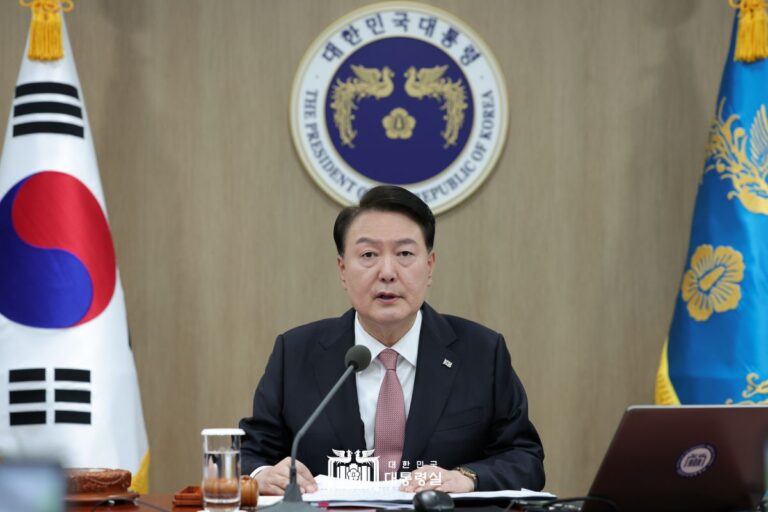
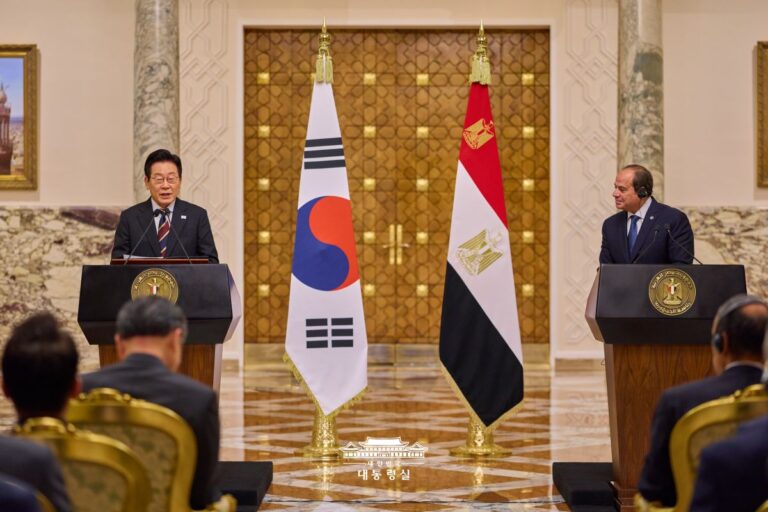
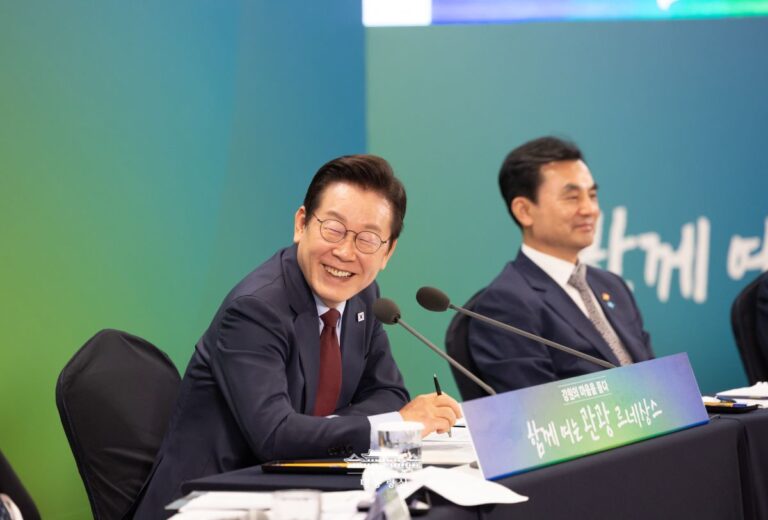
11/22(토) 이재명 대통령, G20 정상회의 제2세션 연설

의장님, 감사합니다.
금번 세션의 주제는 각각 다른 주제 같지만
상호 연결된 하나의 체계적 위험 요인입니다.
‘유엔재해위험경감국’이 지적하는 것처럼
여러 분야에서 연쇄적으로 나타나는 복합 위기입니다.
그러나 우리가 충격을 적절히 흡수하고
복원력을 강화하면
새로운 기회가 창출되고,
또 새로운 성장 기반이 마련될 것입니다.
이를 위해서 먼저 국제사회는
기후 위기 대응 노력을 지속해서 강화해야 합니다.
대한민국은 국제사회의 노력에 동참하기 위해서
2035년 온실가스 감축목표와
중장기 기후탄력적 발전경로를 확정했습니다.
우리 정부는 기후변화 대응을 위한
국제사회의 여정에 책임있는 일원으로서 함께할 것입니다.
둘째로, 재난 위험 대응은
예방 중심, 복원력 중심으로 재편되어야 합니다.
올해 G20 재난위험경감 각료회의가
다중재난 조기경보체계를 도입한 것은
매우 적절합니다.
대한민국 역시
‘누구나 소외되지 않고
재난위협으로부터 안전한 미래’를 만들기 위해서 노력하고 있고,
아시아·태평양 국가들에게
홍수 조기경보체계 구축 등
재난위험 저감 사업을 지원하고 있습니다.
대한민국은 G20 회원국 여러분과 함께
재난 대응 복원력 강화를 위한 노력에 적극 동참할 것입니다.
셋째, 에너지 전환 과정에서
복원력 높은 인프라 시스템에 적극 투자해야 합니다.
대한민국은 기후 위기 대응과 녹색산업 성장을 위해서
재생에너지를 기반으로
‘에너지고속도로’를 추진 중입니다.
해상풍력 클러스터와 분산형 전력망 구축을 확대하고
국민 모두 에게 혜택을 주는 ‘햇빛소득·바람소득’ 공유모델도
확산시켜 나가고 있습니다.
마지막으로, 글로벌 식량 체제 복원력 강화를 위해서
국제사회가 연대와 협력을 지속해야 합니다.
한국은 유엔세계식량계획과
식량원조사업을 17개국으로 확대하고,
아프리카 14개국에 K-라이스벨트 사업을 추진해 왔습니다.
앞으로도 국제사회의 연대와 협력 강화에 앞장설 것입니다.
존경하는 동료 여러분,
아프리카 속담처럼 “비는 한 지붕에만 내리지 않습니다”
G20는 2008년 금융 위기, 2020년 팬데믹 위기에
세계 경제 회복을 이끌어냈습니다.
기후·재난·에너지·식량의 복합 위기 또한
그때와 같은 책임감 있는 연대를 필요로 합니다.
한 국가의 회복력은
전 세계의 회복력으로 이어집니다.
위험을 사전에 낮추고
충격에 흔들리지 않으며,
더 나은 상태로 회복할 수 있는
글로벌 체계를 함께 구축하는 데에
대한민국이 앞장서서 기여하겠습니다.
감사합니다.
Statement by President Lee Jae Myung Republic of Korea
2025 Johannesburg G20 Leaders’ Summit Session 2:
A Resilient World – the G20’s Contribution for Disaster Risk Reduction, Climate Change, Just Energy Transitions, Food Systems
Thank you, Chair.
Although this session’s agenda items may appear distinct, they are in fact deeply interconnected facets of a singular systemic challenge.
As the UN Office for Disaster Risk Reduction has highlighted, we face a cascading, multidimensional crisis that spans multiple sectors.
Yet if we can adequately absorb these shocks and strengthen our resilience, we will unlock new opportunities and forge stronger foundations for growth.
To this end, the international community must continuously strengthen its efforts to address the climate crisis.
The Republic of Korea has reaffirmed its commitment by establishing a 2035 Nationally Determined Contribution (NDC) and mid- to long term Climate-Resilient Development Pathways.
The Republic of Korea will stand as a responsible partner in the international community’s shared journey to combat climate change.
Second, disaster risk management must be fundamentally reoriented toward prevention and resilience.
The G20’s adoption of Multi-Hazard Early Warning Systems (MHEWS) as its goal at this year’s Ministerial Meeting on Disaster Risk Reduction represents a timely and crucial advancement.
The Republic of Korea is committed to realizing “a future of inclusive safety-where all communities are protected from disaster threats,” and is actively supporting Asia-Pacific nations in this endeavor, providing technical assistance for disaster risk reduction initiatives, including the establishment of flood early warning systems.
The Republic of Korea will actively collaborate with G20 member states to strengthen resilience for disaster response.
Thirdly, we must make substantial investments in resilient infrastructure systems while pursuing the energy transition.
The Republic of Korea is advancing Energy Highway initiative – a signature project to expand renewable energy – to address the climate crisis and foster green industry growth.
The Korean government is also expanding offshore wind clusters and building distributed power networks while simultaneously promoting benefit-sharing models – such as ‘solar income’ and ‘wind income’ programs – that deliver tangible benefits to our citizens.
Lastly, the international community must sustain solidarity and cooperation to strengthen the resilience of the global food system.
The Republic of Korea has expanded its food assistance programs with the UN World Food Programme (WFP) to 17 countries and has been advancing the K-Rice Belt initiative across 14 African nations.
The Republic of Korea will continue to take the lead in strengthening solidarity and cooperation within the international society.
Colleagues,
As the African saying goes, “Rain does not fall on one roof alone.”
The G20 has demonstrated its capacity to lead global economic recovery during times of crisis – through the 2008 financial crisis and the COVID-19 pandemic in 2020.
The convergence of climate, disaster, energy, and food crises demands the same spirit of responsible solidarity.
One nation’s resilience contributes to the world’s resilience.
The Republic of Korea will remain committed to taking a leading role in building a robust global architecture – one that mitigates risks in advance, stands firm against shocks, and recovers stronger than before.
Thank you. /END/